


-

Add: HeBei ShengShi HongBang Cellulose Technology CO.,LTD.
-

Email
13180486930@163.com -

CONTACT US
+86 13180486930
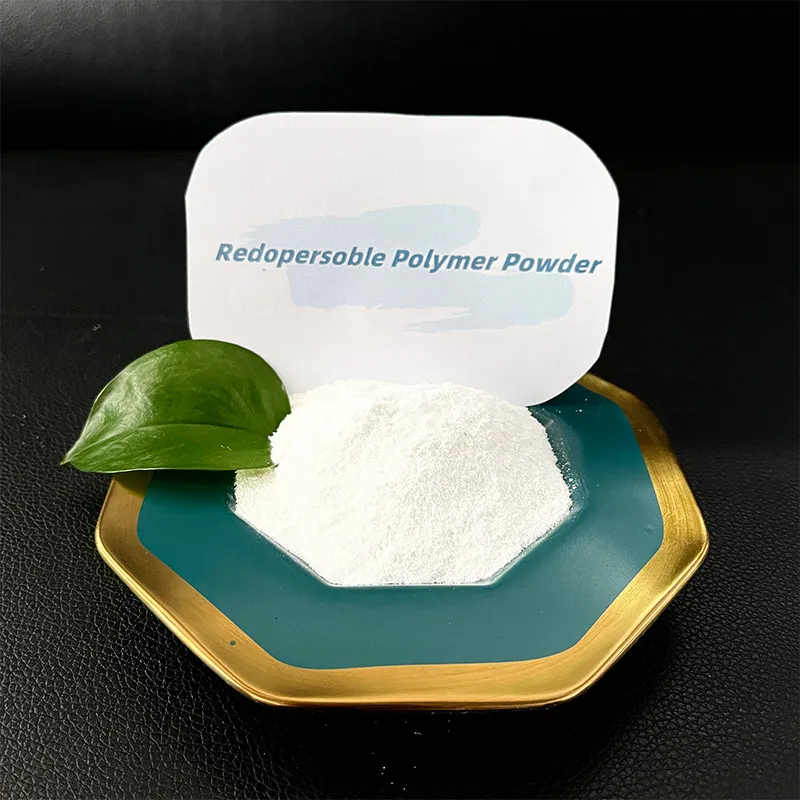
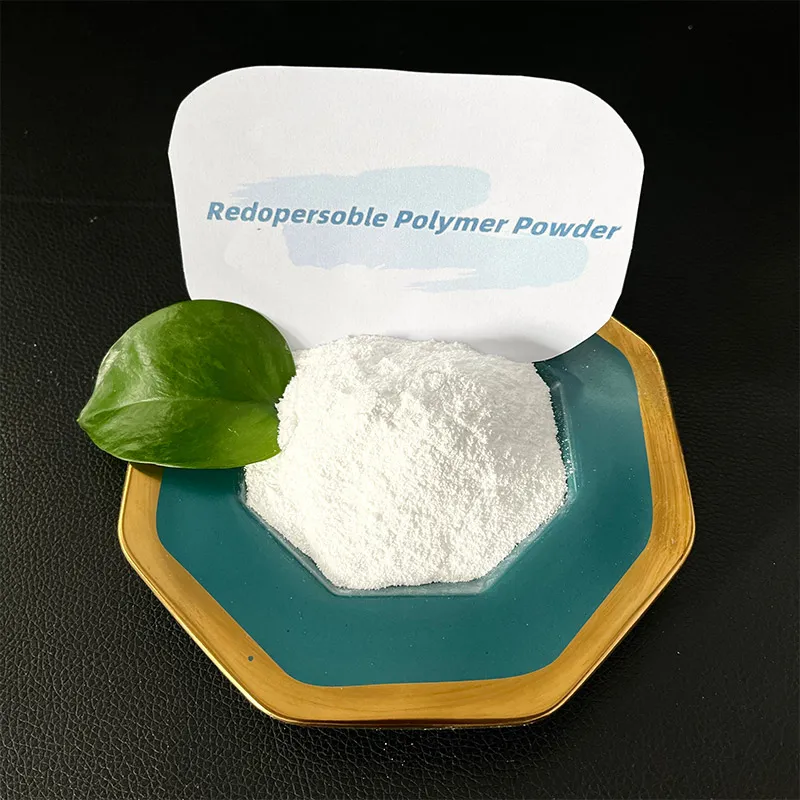
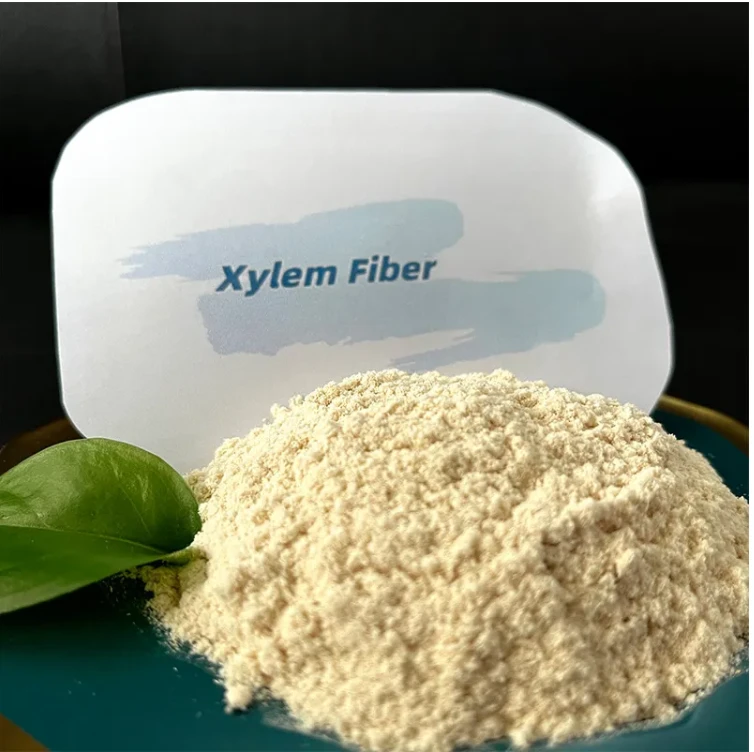
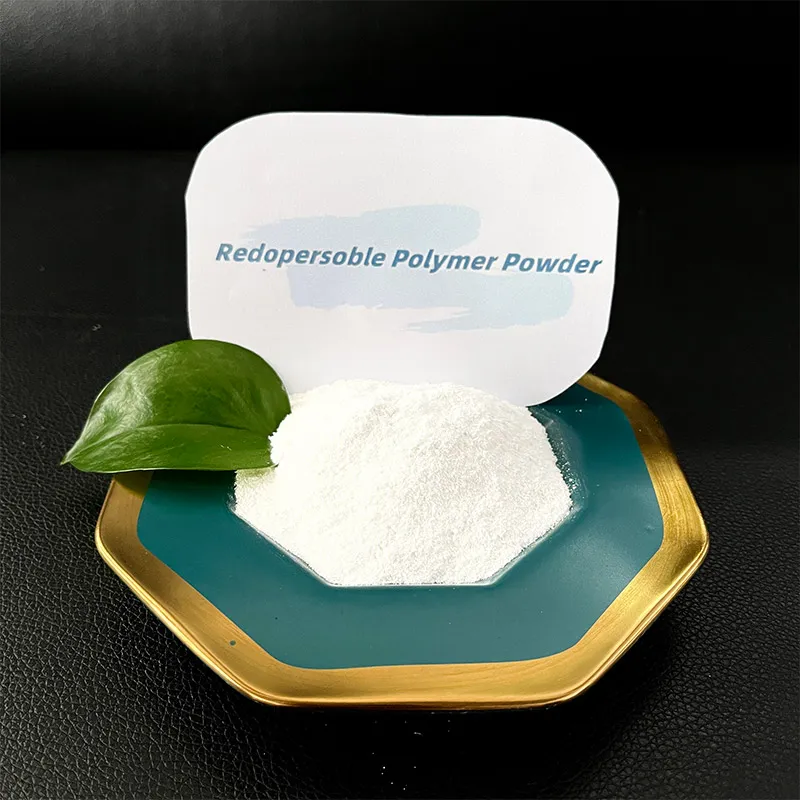


Real-World Notes on Starch Ether for Dry-Mix Mortars and Gypsum Systems I’ve watched building chemistries swing back toward bio-based additives, and honestly, it makes sense. The refined white powder many labs ask me about is Starch Ether —derived from plant starch, modified via substantial etherification, then spray-dried into a clean, flowable powder. It sounds simple; in practice, tiny shifts in modification level change troweling feel, slump, and open time quite a lot. Origin note: HeBei ShengShi HongBang Cellulose Technology CO., LTD, Room 1904, Building B, Wanda Office Building, JiaoYu Road, Xinji City, Hebei Province. Many customers say their batches feel consistent on the blade—always a good sign. Why it matters now In cement and gypsum, Starch Ether acts as a rheology modifier and anti-sag helper, often paired with HPMC. Trend-wise, formulators target smoother troweling, better water retention, and reduced stickiness in warm climates. Also, tighter control of slump flow in self-levelers—without killing early strength. Typical Product Specs (lab guidance) Parameter Typical range (≈) Method / Standard Appearance White to off‑white powder Visual Moisture ≤ 8% ISO 1666 (oven) pH (2% aq.) 6.0–8.5 Internal SOP Brookfield viscosity (2%) ≈ 200–1500 mPa·s (RV, 20 rpm, 25°C) Brookfield method Degree of substitution (M.S.) ≈ 0.05–0.20 Titrimetric Residue on 180 μm ≤ 5% (≥95% pass 80 mesh) ASTM E11 Real-world use may vary with binder, fines, water demand, and climate. Process flow (how it’s made) Materials: plant starch (corn/tapioca/potato), alkali, etherifying agent (e.g., propylene oxide), water. Methods: alkalization → controlled etherification → neutralization → washing/filtration → spray drying → milling/sieving. QC: moisture (ISO 1666), pH, DS, viscosity profile, sieve residue (ASTM E11). Service life: typically 24 months in dry, sealed bags; avoid humidity swings. Packaging: 25 kg paper bags with PE liner; palletized. Applications, advantages, and test lenses Tile adhesives (C1/C2): anti-slip, open-time stability; test with EN 12004-2. Gypsum plaster and putty: creamier spread, less stickiness; EN 13279 checks help. Self-leveling underlayments: flow control without bleeding; flow per EN 12706 or lab SOP. Repair mortar and renders: water retention, edge stability; flow EN 1015-3; water retention EN 1015-8. Advantages people actually notice: smoother troweling feel, reduced sag on verticals, better pumpability, and—surprisingly—more forgiving workability in hot weather when paired with HPMC. Vendor snapshot (informal comparison) Vendor Origin / Certs Strengths Customization HeBei ShengShi HongBang CN; ISO 9001/REACH support (typ.) Stable DS; consistent flow feel; competitive lead time Viscosity grade, sieve cut, packaging EU Supplier A EU; strong tech docs Tight batch-to-batch, premium pricing Broad mortar-specific grades Asia Supplier B APAC; large capacity Aggressive cost, fast samples MOQ-based; label/brand options Note: compiled from public datasheets and buyer feedback; verify on your line. Customization tips Target DS/viscosity to hit EN 1015-3 flow of 160–180 mm (renders). For hot climates, ask for grades tuned to slower water release (reduces plastic cracking). Dosage: ≈0.05–0.20% on binder; run ladder trials with fixed water-to-binder. Fast case notes Tile adhesive (C1T): swapping in Starch Ether at 0.1% cut slip by ~35% while keeping open time within spec (EN 12004-2). Gypsum skim: 0.08% Starch Ether + HPMC reduced stickiness complaints; smoother “buttery” drawdown, no sagging on 3 mm coats. Quality and compliance Look for ISO 9001, REACH support, and mortar testing to EN 1015 and EN 12004-2. If you export to the EU, CE performance declarations for finished mortars matter more than the additive—but the additive must be consistent to keep those numbers steady. Bottom line: if your mortar feels either too sticky or too “short,” nudging the Starch Ether grade or dose is often the cheapest fix. Test to your standards; don’t assume lab water is site water—because, well, it isn’t. Authoritative citations EN 1015-3: Methods of test for mortar for masonry — Determination of consistence by flow table. EN 12004-2: Adhesives for tiles — Requirements, evaluation of conformity, classification. ASTM E11: Standard Specification for Woven Wire Test Sieve Cloth and Test Sieves. ISO 1666: Starch — Determination of moisture content — Oven-drying method. EN 1015-8: Determination of water retention of fresh mortar.
- 40000tons

Production
- 20+years

Experience
- 5000+㎡

Acreage

-

Rubber powder, often derived from recycled rubber products, has carved out a crucial niche in the sustainability and manufacturing sectors. This fine, granular substance is predominantly obtained from end-of-life tires and other rubber materials, undergoing a rigorous process of shredding, grinding, and sometimes finer pulverization to ensure a consistent texture and quality. Used across multiple industries, rubber powder is a testament to innovative recycling techniques that balance economic viability with ecological responsibility. In industrial applications, rubber powder serves multiple purposes owing to its unique properties. Its elasticity and resilience make it an ideal component in the production of modified asphalt for roadways. By integrating rubber powder into asphalt mixtures, road surfaces benefit from increased durability, resulting in decreased maintenance costs and extended lifespan. The material also enhances resistance to temperature variations, reducing the occurrence of potholes and surface cracking, which are common issues under fluctuating weather conditions. The construction industry reaps substantial benefits from rubber powder as well. It finds its place in concrete formulations, where it acts as an additive to improve flexibility and crack resistance. By incorporating rubber powder, builders and contractors achieve superior energy absorption characteristics in the structures. This innovative use of rubber powder not only extends the functional life of the structures but also provides enhanced seismic resistance, a critical factor in regions prone to earthquakes. In the realm of consumer products, rubber powder plays a transformative role. Manufacturers of rubber and plastic goods increasingly adopt rubber powder as a cost-effective and eco-friendly filler material. Its inclusion in products like shoe soles, floor tiles, and rubber mats not only helps in maintaining the performance standards but also aids in reducing the reliance on virgin rubber resources. This recycling process ensures sustainability in production while keeping quality intact, reflecting the growing consumer demand for environmentally responsible products. rubber powder wikipedia Moreover, the sports industry makes extensive use of rubber powder, particularly in the creation of synthetic sports fields and playground surfaces. These surfaces, benefiting from the shock-absorbing qualities of rubber powder, offer safer playing environments by reducing the risk of injuries from falls. The environmental advantage is clear—repurposing tire rubber that would otherwise contribute to landfill waste. The production process inherently adjusts the level of fineness of the rubber powder to tailor it for specific sports needs, ensuring optimal performance and safety. The environmental implications of rubber powder are significant . By facilitating the conversion of waste rubber into valuable end-products, such processes contribute considerably to reducing the ecological footprint of rubber waste. The recycling of tires and other rubber products into powder form effectively closes the loop in the lifecycle of rubber, offering a renewable option for industries traditionally dependent on non-renewable materials. On a macro scale, the growth of the rubber powder market signals a shift towards more sustainable manufacturing practices. Companies engaged in rubber recycling and powder production foster a circular economy, characterized by reduced raw material extraction and minimized waste. This market evolution aligns with global sustainability goals, encouraging industries to embrace greener alternatives while remaining economically competitive. In summary, rubber powder embodies the principles of modern innovation, blending expert engineering and environmental stewardship. Its applications across industries not only demonstrate technological advancement but also underscore a collective commitment to sustainable development. The conscientious use of recycled materials exemplifies a forward-thinking approach, ensuring that the push for progress does not come at the expense of the planet's health.
-
Jute synthetic fiber represents a groundbreaking innovation in the textile industry, blending traditional natural fibers with modern synthetic technology to create a versatile and eco-friendly product. Combining the historical significance of jute with the cutting-edge benefits of synthetic fibers, this blend is revolutionizing the textile realm through durability, environmental sustainability, and economic feasibility. Historically, jute has been a staple natural fiber, known for its strength and biodegradability, extensively used in making ropes, sacks, and coarse cloth. The transition to incorporating synthetic elements aims to overcome some of the limitations inherent in natural jute, such as susceptibility to moisture and its relatively coarse texture. By infusing jute with synthetic fibers, manufacturers have managed to retain the desirable properties of natural jute—such as its biodegradability and strength—while enhancing its resilience to wear and tear and offering a smoother texture. In the realm of experience, consumers and industry experts alike note improvements in the tactile experience of jute synthetic fiber products. Unlike pure jute products, the blended fibers offer enhanced comfort and usability in apparel and home textiles, making them more appealing to a broader audience. Users have reported that jute synthetic fiber maintains its structure and appearance even after prolonged use, offering a longer-lasting alternative to traditional jute products. From an expert perspective, the synthesis of jute with synthetic materials involves advanced technological processes and precise scientific formulations to ensure that the integrity of the natural fiber is maintained while enhancing its properties. Manufacturers are utilizing state-of-the-art technologies like nanotechnology to achieve fiber uniformity and strength. This includes controlling the molecular amalgamation of synthetic polymers with jute at microscopic levels to precisely tailor the fabric’s properties, such as elasticity, texture, and water resistance. jute synthetic fibre The authoritativeness of jute synthetic fiber in the industry is backed by numerous studies and endorsements from environmental organizations. With increasing global emphasis on reducing natural resource exploitation and minimizing environmental footprints, this hybrid fiber addresses crucial sustainability issues. Studies have evidenced that products made from jute synthetic fiber require less water and pesticides during crop cultivation compared to cotton and other natural fibers, and the lifecycle analysis shows a reduction in carbon emissions due to its enhanced durability and recyclability. Trustworthiness comes from the transparent production processes adopted by companies pioneering this material. Leading firms are investing in open-source research and collaborating with environmental NGOs to ensure ethical sourcing and manufacturing processes, thus providing end consumers with products they can trust. Certifications from international textile standard organizations further cement the reliability of jute synthetic fibers as a sustainable choice in an increasingly eco-conscious market. In product-specific applications, jute synthetic fibers are gaining traction in a variety of areas . In the fashion industry, they are used to create eco-friendly clothing and accessories that are not only stylish but come with enhanced longevity and are kinder to the environment compared to conventional materials. In furnishings, they are utilized for making carpets and curtains that combine the rustic appeal of natural jute with the sleek finish and robustness inherent in synthetic fibers. Additionally, this unique fiber blend has found applications in industrial sectors for producing geotextiles, which aid in erosion control and landscaping, offering an economically viable and environmentally sustainable option. Ultimately, the fusion of jute with synthetic fiber is more than just a trend; it’s a response to modern demands for sustainability, performance, and responsibility within the textile industry. As both industries and consumers pivot towards more sustainable choices, jute synthetic fiber stands at the forefront, providing innovative solutions that marry the past's practicality with the future's innovation. Whether you're a manufacturer, designer or consumer, the adoption of jute synthetic fiber signifies not just an investment in quality and sustainability, but also a commitment to supporting a more environmentally friendly and socially responsible future.
advantages
-

200000 Viscosities
Excellent product
We can produce pure products up to 200,000 viscosities
-

40000 tons
High yield
We don’t stop production all year round, and the annual output can reach 40,000 tons
-

24 hours
Quality service
We provide 24-hours online reception service, welcome to consult at any time
———— Inquiry Form
Schedule A services
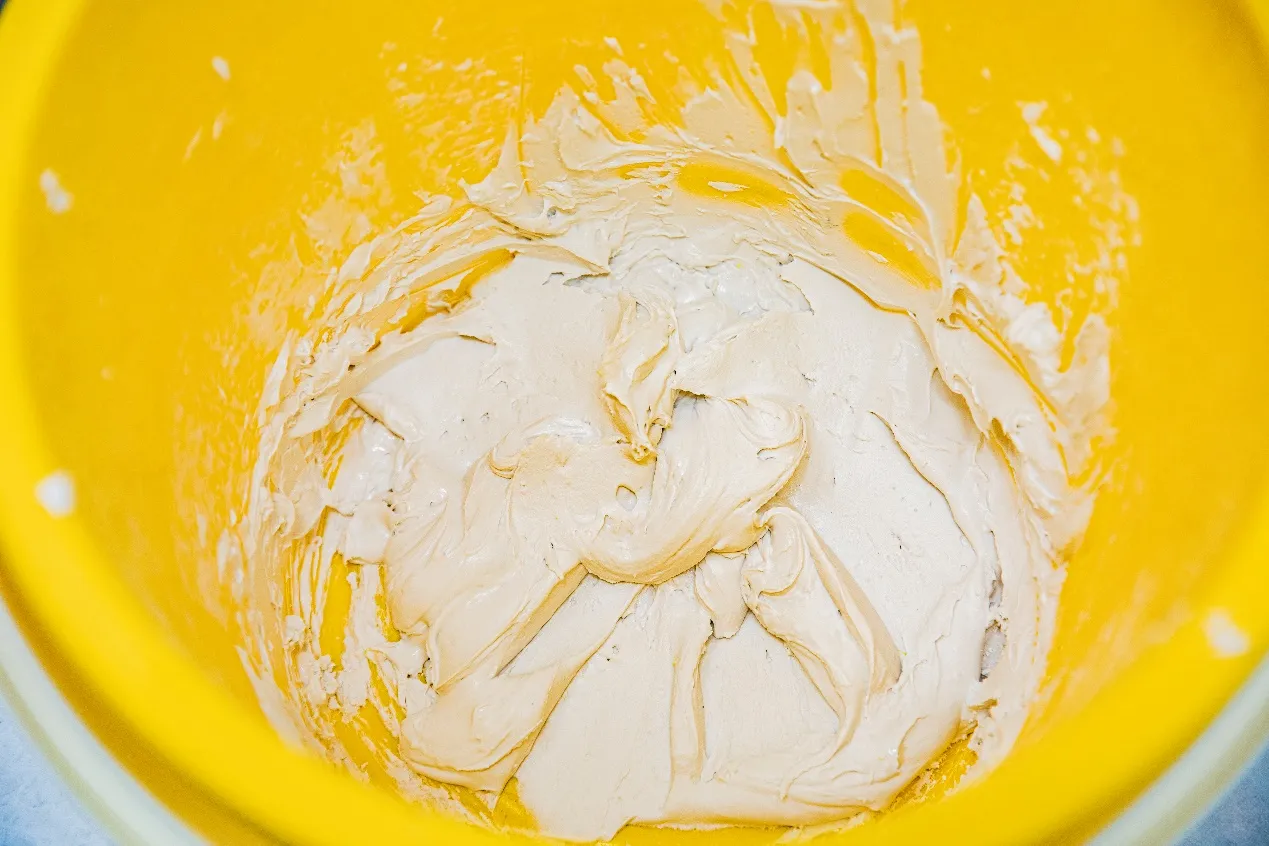

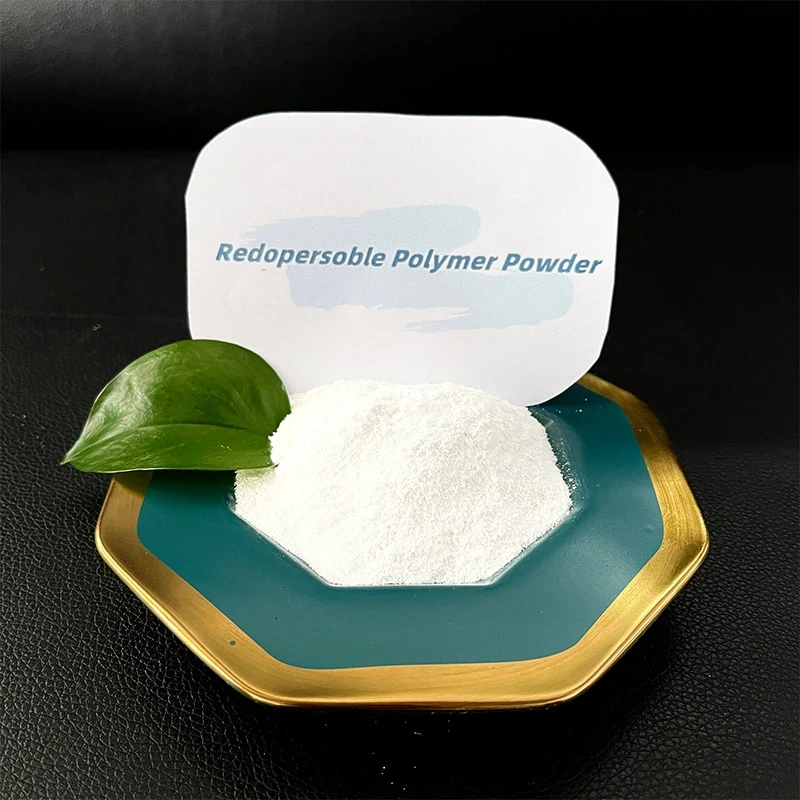
- vae_powder
Oct . 25, 2025
Unlocking the Benefits of Purchasing HPMC A Comprehensive Guide Hydroxypropyl Methylcellulose (HPMC) -
 hpmc_online
Oct . 25, 2025
About the Author Dr. Emily Chen , PhD in Material Science with 15 years of experience in cellulose t -
 cellulose_ether_hpmc
Oct . 25, 2025
In the dynamic world of construction and interior finishing, the importance of time and precision ca


